

Can fume hoods be used in food laboratories?
In the field of laboratory equipment, fume hoods are essential fixtures in many scientific research and industrial facilities. As a supplier of fume hoods, we frequently receive inquiries regarding their suitability for various types of laboratories, including food testing labs. This blog post aims to address this topic.
Definition of fume hood
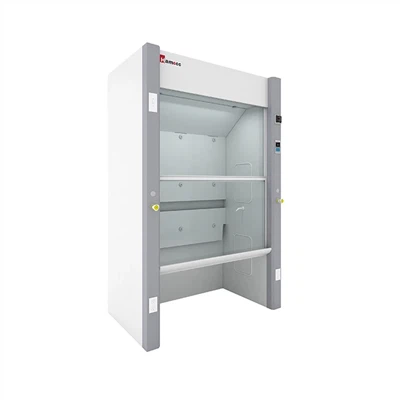
Before delving into the application of fume hoods in food laboratories, it is essential to understand what a fume hood is and how it works. A fume hood is an enclosed workspace designed to capture, contain, and exhaust hazardous or toxic fumes, vapors, and particulates generated during laboratory operations. It functions by creating a negative pressure environment that draws air into the hood and exhausts it outdoors, thereby protecting laboratory personnel from exposure to potentially harmful substances.
There are various types of fume hoods on the market, each with unique functions and applications. Common types include:
* Walk-in fume hoods, which offer spacious interiors large enough for a person to enter, making them suitable for operating large equipment or conducting experiments that require significant space;
* Benchtop ductless fume hoods, which feature a compact design suitable for placement on laboratory benches and utilize filters to remove airborne contaminants;
* Ducted fume hoods with blowers, which are connected to ductwork and equipped with a blower to ensure proper airflow and ventilation;
* Acid digestion fume hoods, specifically designed for acid digestion processes that employ strong acids to break down samples;
* And general-purpose laboratory chemical fume hoods, designed for handling a wide range of chemicals.
The Role of Fume Hoods in Food Laboratories
Food laboratories play a vital role in ensuring the safety and quality of the food we consume. These laboratories engage in a wide range of activities, including food analysis, quality control, research and development, and food safety testing. Although food laboratories do not typically handle the same types of hazardous chemicals found in chemistry or pharmaceutical labs, the use of fume hoods remains necessary in certain situations.
One of the primary reasons for using fume hoods in food laboratories is to protect personnel from potentially harmful fumes and vapors. For instance, the analysis of certain food components-such as volatile organic compounds (VOCs), pesticides, or mycotoxins-can generate hazardous fumes. Inhaling these fumes poses a health risk to laboratory staff, and fume hoods help capture and remove these harmful airborne substances.
Another important application of fume hoods in food laboratories is the prevention of cross-contamination. During food analysis, it is crucial to ensure that samples remain uncontaminated by other substances in the laboratory environment. Fume hoods create a controlled environment with precise airflow management, preventing contaminants from spreading from one area of the lab to another. This is particularly important when handling sensitive samples or conducting high-precision analyses.
In addition to protecting personnel and preventing cross-contamination, fume hoods help maintain a clean and safe laboratory environment. By removing airborne fumes, vapors, and particulates, fume hoods reduce the risk of airborne contamination and improve overall air quality within the lab. This creates a more comfortable and productive working environment for laboratory staff.
Precautions for using fume hoods in food laboratories
While fume hoods offer numerous benefits to food laboratories, there are important factors to consider before using them.
First, it is essential to ensure that the fume hood is compatible with the substances and processes used in the laboratory. Different types of fume hoods are designed to handle specific chemicals and contaminants; therefore, selecting a hood suited to the laboratory's specific application is crucial.
For instance, if the laboratory performs acid digestion, an acid digestion fume hood should be used, as it is specifically designed to withstand the corrosive effects of acids. And use ducted chemical fume hoods for acids, solvents, and volatile chemicals.
Another factor to consider is the maintenance and care of the fume hood. Regular maintenance is essential to ensure proper operation and adequate protection. This includes cleaning the interior, replacing filters, inspecting airflow and ventilation systems, and conducting routine safety checks. Improper maintenance can lead to reduced performance and increase the risk of exposure to hazardous substances.
Furthermore, training laboratory personnel on the correct use of fume hoods is crucial. This training should cover how to operate the unit, adjust airflow and ventilation settings, and safely conduct experiments within the enclosure. Proper training helps ensure the fume hood is used correctly and protects laboratory staff from potential hazards.


Regulatory requirements
Many countries have strict regulations regarding the use of fume hoods in laboratories, including food testing laboratories. These regulations aim to protect the health and safety of laboratory personnel and ensure that the laboratory environment meets specific standards.
For instance, in the United States, the Occupational Safety and Health Administration (OSHA) has established standards for the design, installation, and operation of laboratory fume hoods. These standards set clear requirements for aspects such as airflow rates, ventilation systems, and safety features. Laboratories must comply with these standards to avoid potential fines and penalties.
Similarly, within the European Union, the REACH (Registration, Evaluation, Authorisation and Restriction of Chemicals) regulation outlines requirements for the safe handling and use of chemicals in laboratories. This includes the use of appropriate ventilation systems-such as fume hoods-to protect personnel from exposure to hazardous substances.
When using fume hoods, food laboratories must ensure they understand and adhere to all relevant regulatory requirements. Failure to do so not only endangers the health and safety of laboratory personnel but may also expose the laboratory to legal liability.
Conclusion
In summary, fume hoods are indeed suitable for use in food laboratories and offer significant advantages in protecting personnel, preventing cross-contamination, and maintaining a clean, safe laboratory environment. However, the specific needs and requirements of the food laboratory must be carefully considered before selecting and using a fume hood. This includes ensuring compatibility between the fume hood and the substances or processes used in the lab, performing regular maintenance, providing appropriate training for laboratory staff, and complying with all relevant regulatory requirements.
As a fume hood supplier, we are committed to providing high-quality fume hoods tailored to the specific needs of food laboratories. Our product range-including Walk-in fume hoods, Benchtop Ductless Fume Hoods, Ducted fume hoods with blowers, acid digestion fume hoods, and general-purpose chemical fume hoods-is designed to deliver reliable and efficient ventilation solutions. If you would like to learn more about our fume hoods or discuss your specific requirements, please feel free to contact us for a consultation.
References
*Occupational Safety and Health Administration (OSHA). Laboratory Safety Standards.
*Registration, Evaluation, Authorisation and Restriction of Chemicals (REACH) Regulation. European Union.