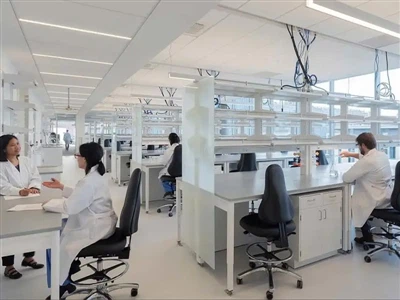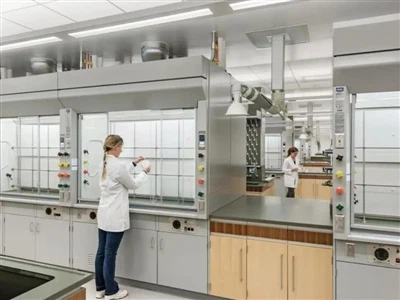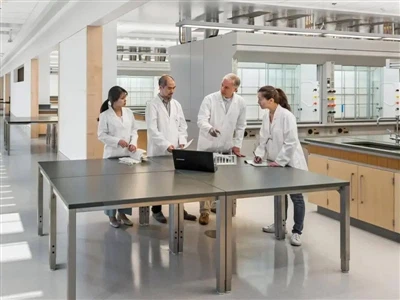


Several key focus areas are considered when designing university laboratories to ensure optimal functionality, safety, sustainability, and collaboration. Here's a breakdown of the design focus for university laboratories:
1. Safety
· Ergonomic Layout: Design should facilitate safe movement and easy access to emergency equipment (eyewash stations, fire extinguishers, exits).
· Proper Ventilation: Fume hoods and ventilation systems should be strategically placed to ensure the safe handling of hazardous materials.
· Material Selection: Use of non-toxic and fire-resistant materials in construction and lab furniture.
2. Flexibility and Adaptability
· Modular Spaces: Laboratories should be designed to allow easy reconfiguration for multiple uses, accommodating different research needs or teaching methods.
· Movable Equipment: Use of mobile workstations and equipment that can be easily relocated or adjusted to alter the laboratory layout.
3. Collaboration and Interaction
· Open-Plan Designs: Encouraging collaboration by creating open spaces where students and researchers can work together and communicate freely.
· Breakout Areas: Inclusion of informal meeting spaces where students can gather to discuss ideas and foster teamwork outside the main working area.
4. Technology Integration
· Smart Lab Features: Incorporating technology such as smart lab management systems that monitor conditions and equipment or integrate data collection and analysis.
· Advanced Equipment: Installing state-of-the-art instruments that facilitate cutting-edge research in various disciplines.
5. Sustainability
· Energy Efficiency: Implementing designs that reduce energy consumption, such as natural lighting, energy-efficient appliances, and sustainable HVAC systems.
· Waste Management: Facilities for proper segregation and disposal of hazardous waste, as well as recycling stations to promote sustainable practices.
6. Accessibility and Inclusivity
· Universal Design Principles: Ensuring that lab spaces are accessible to all students, including those with disabilities, by incorporating features like wheelchair-accessible workstations and equipment.
· Accommodating Diverse Research Needs: Designing labs that can cater to a diverse range of research activities and accommodate various methods of work.
7. Compliance and Standards
· Adherence to Regulations: Ensuring that the design meets local, national, and international standards for laboratory safety and research practices.
· Regular Updates: Designing labs with the anticipation of needing regular updates to comply with evolving regulations and standards in research.
8. Integration with Adjacent Facilities
· Proximity to Classrooms and Offices: Designing laboratory spaces close to lecture rooms and faculty offices to enhance the educational experience and encourage collaboration between students and instructors.
· Connection to Other Departments: Facilitating interdisciplinary research by connecting labs with other related disciplines, fostering collaboration across different fields.
The design of university laboratories is a multifaceted process, focusing on safety, flexibility, collaboration, technology integration, sustainability, accessibility, compliance, and connectivity. By prioritizing these elements, universities can create effective and inspiring environments that enhance research and education, encouraging innovative solutions to contemporary challenges. If you'd like more information on any specific aspect of laboratory design, feel free to contact us!