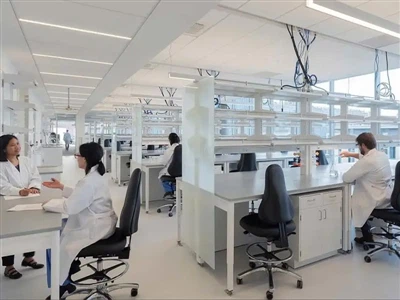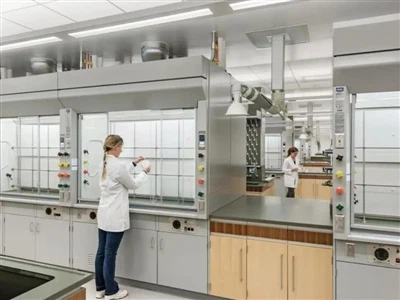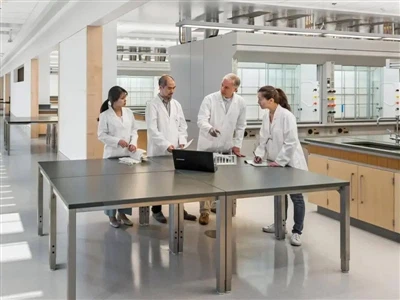


In an increasingly interconnected world, global labs have emerged as crucial entities for collaborative research, innovation, and development across various sectors. These laboratories facilitate scientific exploration, addressing global challenges and fostering advancements in technology and medicine. This article explores different types of global labs, their functions, and applicable scenarios.
1.Research and Development (R&D) Labs
Description:
R&D labs focus on advancing scientific knowledge and developing new products or methodologies. They often collaborate with universities, governments, and industries to leverage expertise and resources.
Applicable Scenarios:
Pharmaceutical Development: When developing new drugs, R&D labs conduct trials that require diverse populations and resources.
Agricultural Innovation: To develop crop varieties that withstand climate change, R&D labs can utilize global diverse ecosystems.
2. Clinical Laboratories
Description:
These labs are dedicated to diagnosing and treating diseases by analyzing patient samples. They often operate in partnership with hospitals and healthcare providers around the world.
Applicable Scenarios:
Pandemic Response: During health crises (e.g., COVID-19), global clinical labs coordinate to provide data on infections, treatment responses, and vaccination efficacy.
Rare Diseases: Collaborative efforts across countries allow for sharing data and resources to diagnose and treat rare diseases more effectively.
3. Innovation Labs
Description:
Innovation labs focus on creating new technologies or services, often working to solve specific societal problems. These labs foster a culture of creativity and collaboration.
Applicable Scenarios:
Smart City Projects: Working on urban planning challenges like traffic management and waste reduction, innovation labs can prototype and test solutions.
Sustainable Development Goals (SDGs): Labs can tackle issues such as clean water accessibility or renewable energy solutions through innovative approaches.
4. Environmental Labs
Description:
Environmental labs study ecological systems and monitor environmental changes. They collect and analyze data on air, water, and soil quality.
Applicable Scenarios:
Climate Change Research: Monitoring climate impacts globally, these labs can provide data for international climate agreements.
Biodiversity Studies: Collaborating internationally to study endangered species helps inform conservation strategies.
5. Data and Analysis Labs
Description:
These labs specialize in data collection, analysis, and interpretation, often focusing on big data technologies and artificial intelligence.
Applicable Scenarios:
Public Health Monitoring: Analyzing health data across populations helps predict outbreaks and allocate resources effectively.
Financial Modeling: Collaborating with various countries, these labs can develop predictive analytics for global markets.
6. Educational and Training Labs
Description:
These labs serve as centers for learning and outreach, training researchers, students, and professionals in cutting-edge technologies and methodologies.
Applicable Scenarios:
Global Health Training: Offering workshops and training programs for healthcare professionals from underserved areas enhances global health initiatives.
STEM Education: Labs can provide resources and training to improve science and technology education in developing countries.
Laboratories are essential in today's collaborative research environment, and they play a key role in developing solutions that benefit society. HAMECC offers a range of laboratory solutions, whether it is design, supply, or installation, we meet specific needs and scenarios, providing high-quality products and services.